How To Choose The Right Socks For Hiking And Avoid Blisters And Cold Feet
Author:Mike Fakunle
|
Released:October 5, 2025
Choosing the right socks for hiking can change how the entire hike feels. The wrong pair can cause blisters, cold toes, or sore feet before the trail even ends.
Many beginners focus on boots and forget socks. That mistake often leads to discomfort. The sections below explain exactly how to choose hiking socks based on material, thickness, fit, weather, and hike type so the feet stay dry, warm, and supported from start to finish.
Why Choosing The Right Socks For Hiking Matters More Than Most People Think
Choosing the right socks for hiking protects the feet from friction, moisture, and pressure. Socks act as the first layer between skin and shoes. When socks fail, blisters, hotspots, and cold feet appear fast.
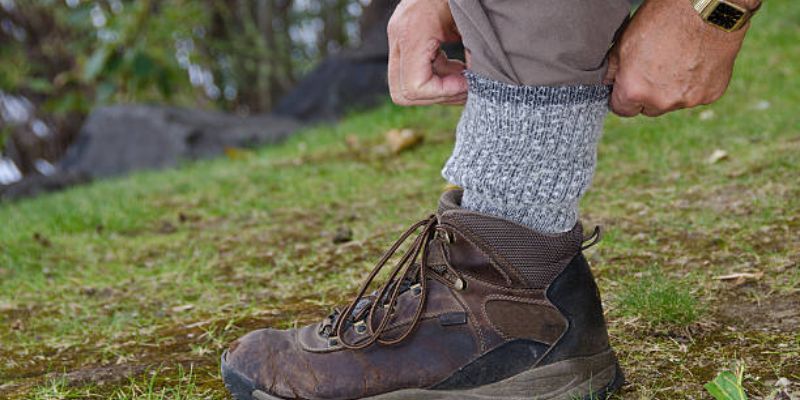
Hiking involves long periods of walking, uneven ground, and changing temperatures. Regular socks are not built for this. Hiking socks reduce foot fatigue, improve warmth control, and help prevent common foot injuries over long distances.
Understanding How Hiking Socks Are Different From Regular Socks
Cushioning Zones And Pressure Protection
Hiking socks use targeted cushioning under the heel, toes, and forefoot. These areas absorb impact from walking on rocks and hard trails. Regular socks spread padding evenly or not at all, which increases soreness over time.
Good cushioning also reduces pressure points inside boots. This helps keep feet comfortable on long descents and steep climbs where friction increases.
Moisture Control And Sweat Management
Sweat is the main cause of blisters. Hiking socks pull moisture away from the skin and spread it through the fabric to dry faster. This process keeps feet drier and cooler.
Research around moisture buildup and foot health has long shown how damp environments increase skin breakdown.
Temperature Regulation In Different Conditions
Hiking socks regulate heat instead of trapping it. They keep feet warm in cold conditions and release heat in warm weather. This balance prevents overheating during climbs and chilling during rest stops.
Regular socks lack this control, making them unreliable in changing outdoor conditions.
Choosing The Right Socks For Hiking Based On Material
Merino Wool Socks For Hiking
Merino wool socks for hiking are popular because they manage moisture well and resist odor. They stay warm when wet and feel soft against the skin, reducing friction.
Merino fibers naturally regulate temperature, making them useful in both cool and warm conditions. This material is often recommended in outdoor education programs shared through hiking organizations and trail safety resources.
Synthetic Socks For Hiking
Synthetic socks for hiking are usually made from polyester or nylon blends. They dry quickly and are very durable. These socks are ideal for hot weather or hikes where feet sweat heavily.
Synthetic materials are often lighter than wool and maintain shape after repeated washes, making them a good choice for frequent hikers.
Cotton Socks And Why They Should Be Avoided
Cotton socks absorb sweat and hold it against the skin. Once wet, cotton dries slowly and loses insulation. This leads to blisters in warm weather and cold feet in cooler conditions.
For hiking, cotton increases discomfort and risk. This is why cotton is generally discouraged in outdoor clothing advice shared across the hiking community.
Choosing The Right Socks For Hiking Based On Thickness And Cushioning
Lightweight Hiking Socks
Lightweight hiking socks work best for warm weather and short hikes. They focus on breathability and moisture control with minimal padding.
These socks reduce overheating and fit well in low-cut hiking shoes. They are ideal when speed and airflow matter more than insulation.
Midweight Hiking Socks
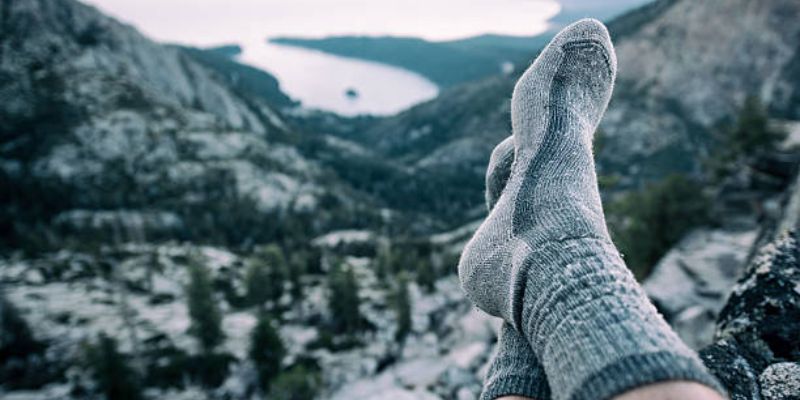
Midweight hiking socks offer the best balance for most hikers. They provide cushioning without too much bulk and work across many conditions.
These socks suit day hikes, moderate terrain, and cooler mornings. Many hikers rely on midweight socks as their default option.
Heavyweight Hiking Socks
Heavyweight hiking socks provide maximum insulation and cushioning. They are useful for cold weather, winter hikes, and backpacking with heavy loads.
The trade-off is reduced breathability and a tighter fit. Boots should have enough room to prevent circulation issues when using thick socks.
Choosing The Right Socks For Hiking Based On Fit
Sock Length Options And When To Use Them
Sock length affects protection and comfort. Crew-length socks are the most common for hiking because they protect ankles from boot friction and trail debris.
Shorter socks work for low shoes, while taller socks help in cold weather and rough terrain where extra coverage matters.
Proper Sock Sizing And Foot Shape Considerations
Choosing the right socks for hiking means matching sock size to foot size exactly. Loose socks bunch up and cause blisters. Tight socks restrict circulation and increase pressure.
Feet swell during hikes, so socks should fit snug but not tight. Toe room and heel placement must align properly.
Compression And Elastic Support Areas
Many hiking socks include elastic arch bands. These bands hold the sock in place and reduce foot fatigue by supporting the arch.
Light compression can improve comfort during long hikes, but should never feel restrictive. Proper support keeps socks from sliding inside boots.
Matching Hiking Socks To The Type Of Hike
Day Hiking Socks
Day hiking socks focus on comfort and breathability. Lightweight or midweight socks usually work best for shorter distances.
Quick-drying materials help manage sweat during active movement and short rest periods.
Backpacking And Multi-Day Hiking Socks
Backpacking socks need durability and odor control. Rotating pairs helps manage moisture and reduce skin irritation.
Hikers often carry one pair to wear and one pair to dry. Proper sock rotation is a common practice discussed in long-distance hiking education available through outdoor skill resources.
Cold Weather And Winter Hiking Socks
Cold-weather hiking socks require insulation without cutting off circulation. Merino wool blends work well here.
Layering socks should be done carefully. Too many layers can reduce warmth by limiting blood flow.
Hot Weather And Desert Hiking Socks
Hot-weather hiking socks must release heat quickly. Thin synthetic socks with moisture-wicking properties prevent sweat buildup.
Light cushioning still matters to protect feet from constant impact on hard, dry trails.
How To Prevent Blisters With The Right Socks For Hiking
Seam Placement And Toe Construction
Flat seams reduce friction across toes. Raised seams rub against skin and create hotspots over time.
Well-designed hiking socks place seams away from pressure points to protect sensitive areas.
Moisture Control Strategies
Changing socks during long hikes helps keep feet dry. Airing socks during breaks allows moisture to escape.
Dry feet resist blisters better than damp skin in any condition.
When To Use Liner Socks
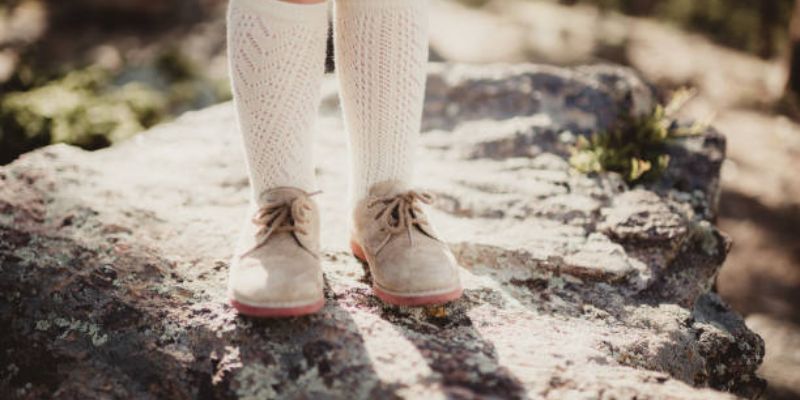
Liner socks reduce friction by allowing movement between layers instead of against the skin. They work best for long hikes or blister-prone feet.
Liners should be thin and paired with properly fitted outer socks.
How Many Hiking Socks Do You Actually Need
Day hikes usually require one good pair. Multi-day hikes benefit from at least two pairs for rotation.
Extra socks improve hygiene and comfort. Dry socks at camp help feet recover overnight.
Common Mistakes People Make When Choosing Hiking Socks
Many people choose socks based on appearance instead of function. Others ignore weather conditions or wear the same socks year-round.
Using socks that do not match boots also causes problems. Proper pairing matters for comfort and safety.
How To Test Hiking Socks Before A Big Trip
Testing socks on short walks helps reveal fit issues. Longer test hikes show how socks perform over time.
Any rubbing, slipping, or hot spots mean the socks are not suitable for longer trips.
Choosing The Right Socks For Hiking Based On Budget
Affordable hiking socks can still work well if the material and fit are correct. Merino blends and reinforced heels are worth paying for.
Quality socks last longer and save money by preventing foot injuries and replacements.
Choosing The Right Socks For Hiking For Long-Term Comfort And Foot Health
Choosing the right socks for hiking supports foot health over time. Proper socks reduce strain, prevent blisters, and improve balance.
Good socks make hikes more enjoyable and safer. With the right choice, feet stay protected across different trails, seasons, and distances.
Related Posts
Outdoor Gear
Best Insulated Outerwear for Cold Weather and Outdoor Use
Guides and Tips
How To Descend Steep Trails Without Destroying Your Knees
Outdoor Gear
Hiking Sock Materials Compared: Merino Wool Vs Synthetic Blends
Guides and Tips
Top Hiking GPS Devices for Navigation That Actually Work on Real Trails

Activities
How To Make Hiking More Enjoyable For Beginners In 10 Simple Ways
Guides and Tips